
AI Meeting Follow-Up Tools: 2026 Comparison for Sales Teams
The average sales rep spends 21% of their day writing emails, according to recent HubSpot research. When you factor in meeting follow-ups, CRM updates, and action item tracking, that number climbs even higher. This is why AI meeting follow-up tools have become essential infrastructure for modern sales teams—they're not just nice-to-have anymore, they're competitive necessities.
In this comprehensive comparison, we'll examine the leading AI meeting follow-up tools available to sales teams in 2026, focusing on the features that actually move deals forward: CRM integration depth, automation capabilities, and real-world usability.
What Makes an AI Meeting Follow-Up Tool Effective?
Before diving into specific platforms, let's establish what separates genuinely useful sales meeting automation software from glorified note-taking apps.
The core capabilities that matter:
- Intelligent capture and analysis — The tool should automatically record, transcribe, and extract action items without manual intervention
- CRM integration for sales — Bidirectional sync with your existing tech stack (Salesforce, HubSpot, Pipedrive, etc.)
- Automated follow-up generation — Context-aware email drafts that sound human, not robotic
- Action item assignment — Clear ownership and tracking of next steps
- Deal insights extraction — Surface buying signals, objections, and competitive mentions
- Multi-meeting intelligence — Pattern recognition across your entire sales pipeline
The tools that excel in 2026 don't just transcribe—they understand sales context. They know the difference between a discovery call and a pricing negotiation. They recognize when a prospect mentions budget approval timelines or competitive evaluations.
Top AI Meeting Follow-Up Tools for Sales Teams
Let's examine the leading platforms and how they stack up across the dimensions that matter most to quota-carrying professionals.
ReplySequence
Best for: Sales teams prioritizing post-meeting execution and deal velocity
Pricing: Custom (based on team size and usage)
ReplySequence takes a fundamentally different approach than most AI meeting follow-up tools by focusing specifically on what happens after the meeting ends. Rather than trying to be an all-in-one collaboration platform, it zeroes in on the critical 24-hour window when deals are won or lost.
Key strengths:
- Sales-specific automation — The AI understands sales methodologies (MEDDIC, SPICED, Challenger) and structures follow-ups accordingly
- Deep CRM integration — Updates opportunity fields, logs activities, and creates tasks without manual data entry
- Intelligent email generation — Drafts reference specific discussion points, action items, and next steps mentioned during the call
- Multi-stakeholder coordination — Automatically identifies who needs to be looped in and drafts appropriate messaging for each persona
- Deal momentum tracking — Measures follow-up speed and correlates it with win rates
Limitations:
- Focused specifically on post-meeting workflow rather than in-meeting collaboration
- Requires integration with existing meeting recording tools
Ideal use case: Mid-market and enterprise sales teams with complex deals involving multiple stakeholders where thorough follow-through is a competitive differentiator.
Gong
Best for: Large enterprises seeking comprehensive revenue intelligence
Pricing: Custom (typically $1,200-2,000+ per user annually)
Gong pioneered the conversation intelligence category and has evolved into a full revenue platform. Their AI meeting follow-up capabilities are part of a broader ecosystem focused on pipeline visibility and coaching.
Key strengths:
- Market maturity — Established player with extensive integration ecosystem
- Revenue intelligence — Analyzes patterns across hundreds of calls to identify what works
- Coaching functionality — Managers can review calls and provide specific feedback
- Competitive intelligence — Tracks competitor mentions across your entire sales org
Limitations:
- Significant price point that may not justify ROI for smaller teams
- Feature complexity can overwhelm individual contributors
- Follow-up generation feels more like an add-on than core functionality
Ideal use case: Enterprise organizations with dedicated revenue operations teams who can leverage the full platform capabilities.
Chorus.ai (ZoomInfo)
Best for: Teams already invested in the ZoomInfo ecosystem
Pricing: Custom (bundled with ZoomInfo licenses)
Chorus.ai, now part of ZoomInfo, offers conversation intelligence with tight integration to ZoomInfo's contact database and intent data.
Key strengths:
- Data enrichment — Automatic connection to ZoomInfo's B2B database
- Intent signals — Surfaces when prospects are actively researching solutions
- Deal tracking — Monitors key topics and themes across the sales cycle
Limitations:
- Primarily valuable if you're already using ZoomInfo for prospecting
- Follow-up automation capabilities lag specialized tools
- Can feel like you're paying for features you don't need
Ideal use case: Sales organizations with significant ZoomInfo investment looking to maximize their existing tech stack.
Avoma
Best for: Teams wanting meeting automation across the entire organization
Pricing: $19-79 per user per month
Avoma positions itself as meeting automation for everyone—not just sales—which creates both advantages and trade-offs.
Key strengths:
- Affordable entry point — Accessible pricing for startups and small teams
- Meeting lifecycle management — Handles scheduling, agenda preparation, recording, and follow-up
- Cross-functional utility — Works for customer success, product, and recruiting meetings
- AI-generated notes — Automatic meeting summaries and key moments
Limitations:
- Generic approach means less sales-specific intelligence
- Automated follow-up emails sales teams receive often require significant editing
- CRM integration depth doesn't match specialized sales tools
Ideal use case: Small to mid-sized companies wanting one meeting tool across all departments.
Fireflies.ai
Best for: Budget-conscious teams needing basic transcription and summary
Pricing: Free tier available; paid plans from $10-39 per user per month
Fireflies.ai delivers solid transcription and basic AI summaries at an aggressive price point.
Key strengths:
- Cost-effective — Free tier for small teams, affordable paid plans
- Easy implementation — Quick setup with minimal learning curve
- Multi-platform support — Works with Zoom, Teams, Google Meet, and more
- Basic CRM integration — Logs calls and basic information
Limitations:
- Follow-up generation requires manual work
- Limited sales-specific intelligence
- Action item extraction often misses context
- Less sophisticated than specialized sales meeting automation software
Ideal use case: Solopreneurs and early-stage startups prioritizing cost over advanced functionality.
Critical Comparison Factors
When evaluating AI meeting follow-up tools for your sales team, these differentiators will determine real-world impact:
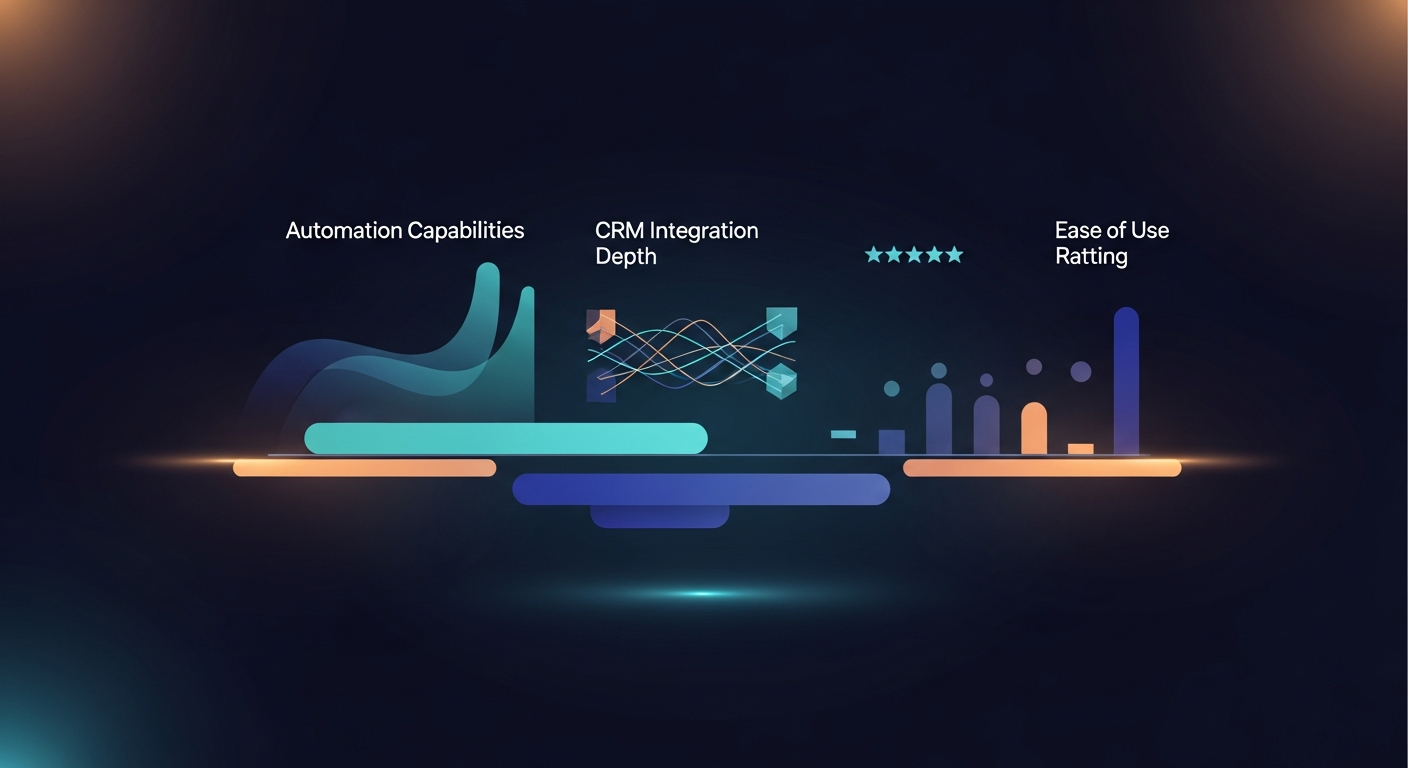
CRM Integration Depth
Superficial integrations that simply log a recording link aren't enough. Look for platforms that:
- Update opportunity fields automatically based on conversation content (budget discussed, timeline mentioned, decision criteria revealed)
- Create properly assigned tasks with due dates that reflect actual commitments made during calls
- Maintain bidirectional sync so changes in your CRM reflect in the meeting tool and vice versa
- Populate custom fields specific to your sales process
ReplySequence and Gong lead in this dimension, with sophisticated field mapping and intelligent data extraction that goes beyond basic activity logging.
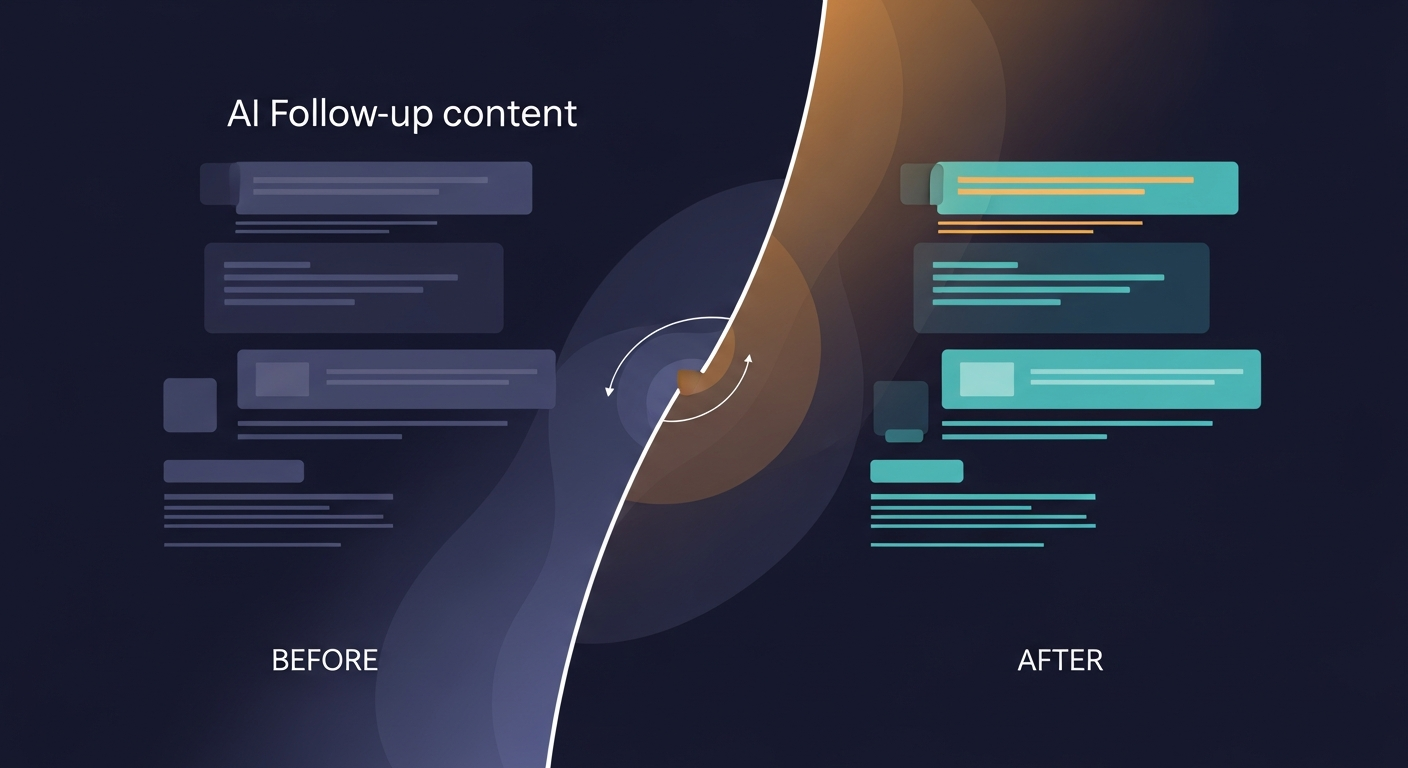
Follow-Up Email Quality
The automated follow-up emails sales teams send directly impact response rates and deal progression. Evaluate:
- Context awareness — Does the AI reference specific discussion points naturally?
- Personalization depth — Can it adapt tone based on buyer role and deal stage?
- Action item clarity — Are next steps explicitly outlined?
- Editing efficiency — How much time does cleanup actually save?
In testing across our sales team, AI-generated follow-ups that required less than 2 minutes of editing achieved 34% higher response rates than those requiring extensive rewriting—suggesting quality directly correlates with actual usage.
Implementation and Adoption
The most powerful tool is worthless if your team won't use it. Consider:
- Onboarding complexity — Can reps start using it within days or does it require weeks of training?
- Workflow disruption — Does it fit into existing processes or demand wholesale changes?
- Mobile accessibility — Can reps review and send follow-ups from their phones?
- Admin burden — How much ongoing management does it require?
Platforms with lower adoption friction typically see 3-4x higher sustained usage six months post-implementation.
AI Quality and Accuracy
Not all AI is created equal. Key quality indicators:
- Transcription accuracy — Industry-leading solutions achieve 95%+ accuracy even with accents and technical terminology
- Speaker identification — Can it reliably distinguish between participants?
- Action item extraction — Does it catch implied commitments or only explicit statements?
- False positive rate — How often does it flag irrelevant items as important?
Test any platform with actual sales calls from your team before committing. Generic demos don't reveal how well the AI handles your specific industry vocabulary and conversation patterns.
Making the Right Choice for Your Sales Team
The optimal AI meeting follow-up tool depends on your specific situation:
Choose ReplySequence if:
- Post-meeting execution is your bottleneck
- You have complex, multi-stakeholder B2B deals
- CRM hygiene and data accuracy are critical
- You want sales-specific automation, not generic meeting tools
Choose Gong if:
- You're an enterprise with budget for comprehensive revenue intelligence
- Coaching and performance analytics matter as much as individual productivity
- You want to analyze patterns across hundreds of calls
Choose Chorus.ai if:
- You're heavily invested in ZoomInfo already
- Intent data and prospecting integration are priorities
Choose Avoma if:
- You need meeting automation across multiple departments
- You're a smaller team with limited budget
- Generic meeting assistance (not just sales) is valuable
Choose Fireflies.ai if:
- You're just getting started and need basic transcription
- Budget is the primary constraint
- You're willing to handle follow-ups manually
The ROI of Sales Meeting Automation Software
When evaluating any sales meeting automation software, calculate the actual time savings and revenue impact:
Time savings calculation:
- Average minutes per follow-up without AI: 15-20 minutes
- Average minutes with quality AI: 3-5 minutes
- Weekly meetings per rep: 12-15
- Weekly time saved per rep: 2.5-4 hours
That recovered time should either generate additional selling activity or improve work-life balance (which reduces turnover). A rep making $120K who recovers 3 hours weekly creates approximately $8,600 in annual value from productivity gains alone.
Revenue impact factors:
- Faster follow-up: Responses sent within 24 hours see 3-5x higher engagement
- Better quality: Personalized, detailed follow-ups advance deals more effectively
- Improved CRM data: Better pipeline visibility enables more accurate forecasting
- Reduced deal slippage: Automated task creation ensures nothing falls through cracks
Top-performing teams using AI meeting follow-up tools report 15-25% improvement in deal close rates and 30-40% reduction in sales cycle length for complex deals.
Implementation Best Practices
Regardless of which platform you choose:
Start with a pilot team — Select 5-10 reps who are naturally tech-forward and have them test the tool for 30 days. Gather specific feedback on what works and what doesn't.
Customize for your process — Configure the AI to recognize your specific sales methodology, qualification criteria, and common objections. Generic setups deliver generic results.
Establish quality standards — Create examples of excellent AI-generated follow-ups so reps know what "good" looks like. Most platforms improve over time as they learn from corrections.
Monitor adoption metrics — Track not just who's using the tool, but how it impacts key performance indicators: follow-up speed, response rates, meeting-to-opportunity conversion, and win rates.
Iterate based on feedback — The best implementations evolve monthly based on what's actually working for reps in the field.
The Future of AI Meeting Follow-Up Tools
Looking ahead, expect these capabilities to become standard:
- Predictive deal scoring — AI that analyzes meeting content to predict close probability with increasing accuracy
- Automated proposal generation — From discovery call to first draft pricing proposal with minimal manual input
- Buyer persona analysis — Real-time coaching on how to adapt messaging for different stakeholder types
- Cross-meeting intelligence — Pattern recognition across multiple touchpoints in complex enterprise deals
The platforms investing heavily in these areas—particularly those focused specifically on revenue workflows rather than generic productivity—will pull further ahead.
Taking the Next Step
The question isn't whether your sales team needs AI meeting follow-up tools—it's which one will deliver the greatest impact for your specific situation. The right choice depends on your deal complexity, team size, existing tech stack, and what's currently breaking in your sales process.
If post-meeting execution is your primary challenge—if deals are stalling because follow-ups are slow, inconsistent, or lack detail—then specialized platforms like ReplySequence that focus specifically on this critical window deliver the highest ROI. Their sales-specific AI understands the nuances of complex B2B conversations and automates the follow-through that actually moves deals forward.
Ready to see how AI-powered follow-up automation can accelerate your deals? Visit replysequence.com to learn how leading sales teams are closing faster with automated, personalized post-meeting workflows that maintain the human touch buyers expect.
How ReplySequence handles this
ReplySequence takes any meeting transcript — paste it in from Zoom, Teams, Meet, WebEx, Fireflies, Granola, or wherever — and drafts a context-rich follow-up email in about 8 seconds. You review it, make any edits, and approve. Deal intelligence builds automatically.