 ReplySequence
How to Write a Follow-Up Email When You Haven't Heard Back
```json
{
"title": "How to Write a Follow-Up Email When You Haven't Heard Back",
"slug": "how-to-write-a-follow-up-email-when-you-haven-t-heard-back",
"excerpt": "Getting ghosted by a prospect? Learn how to write a follow-up email after no response that re-engages leads without burning bridges or sounding desperate.",
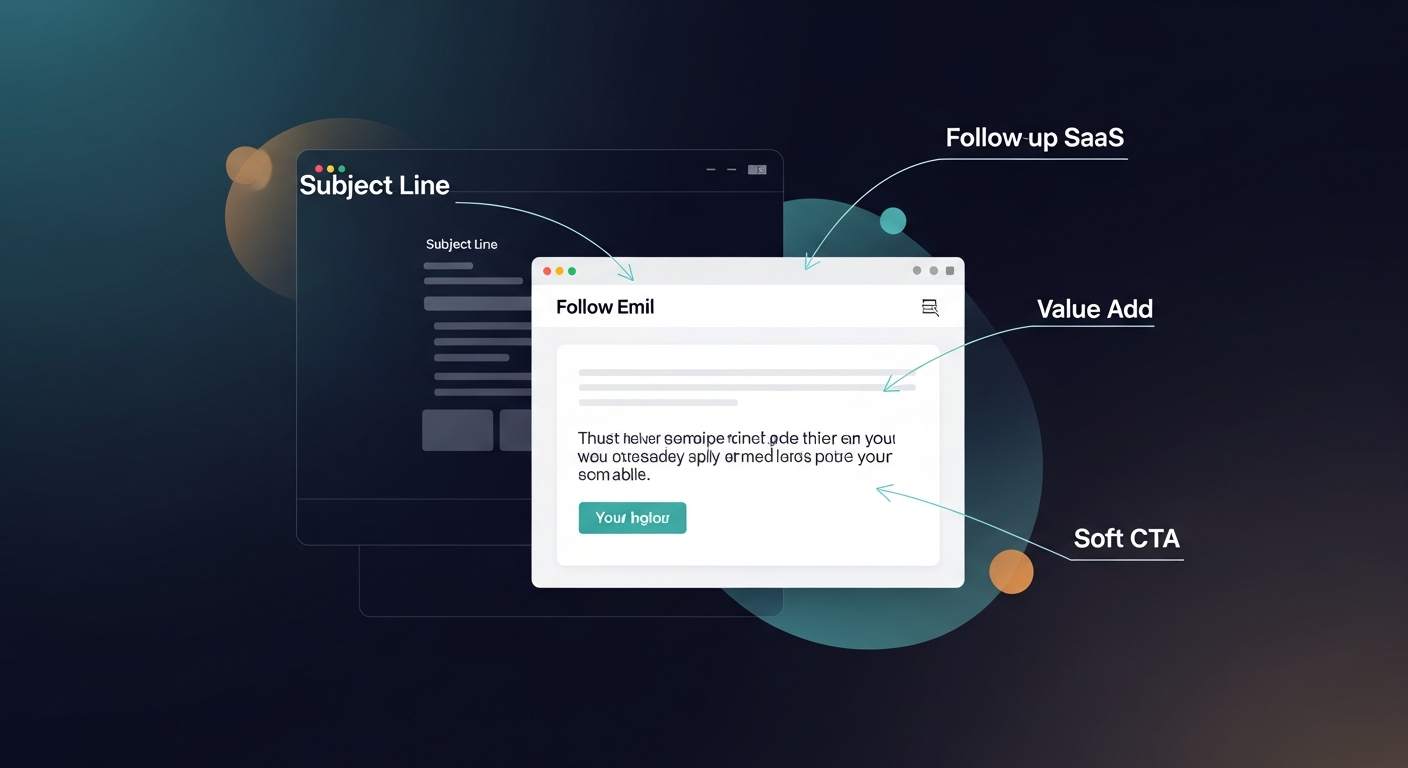
"content": "When you send a follow-up email after no response, your goal is simple: give the prospect a low-friction reason to reply without making them feel guilty for going silent. The best no-reply follow-ups are short, add new value, and make it easy to say yes — or even no. Done right, a single well-crafted follow-up can resurrect a deal that looked completely dead.\n\nGetting ghosted by a prospect is one of the most frustrating parts of sales. You had a great meeting, the call felt warm, and then — nothing. Silence. Before you write off the lead or send a passive-aggressive nudge, it's worth understanding why prospects go quiet and exactly how to bring them back.\n\n## Why Prospects Go Silent After a Meeting\n\nMost prospects don't ghost you because they hate you. They go quiet because:\n\n- They got pulled into something urgent — a reorg, a product fire, a budget freeze\n- They're avoiding saying no — many buyers find rejection uncomfortable\n- Your email got buried — the average professional receives 121 emails per day\n- The timing shifted — a deal that made sense in Q1 may not in Q2\n- They need internal buy-in — and they haven't gotten it yet\n\nUnderstanding this reframes your follow-up strategy. You're not chasing someone who rejected you. You're reaching out to someone who's busy, distracted, or stuck — and you're offering to help them move forward.\n\n \n\n## The Anatomy of a Great Follow-Up Email After No Response\n\nA strong follow-up email when you haven't heard back has four components:\n\n### 1. A Subject Line That Gets Opened\n\nAvoid generic re-engagement subject lines like "Just checking in" or "Following up on my last email." These signal to the prospect — and to spam filters — that there's no new value inside.\n\nInstead, try:\n\n- \"Quick question about [their goal]\" — specific and low-pressure\n- \"Saw this and thought of [Company Name]\" — signals you did homework\n- \"Still worth a conversation?\" — honest and respects their autonomy\n- \"[Mutual connection] mentioned you're focused on [pain point]\" — warm and personalized\n\nSubject lines under 40 characters have a higher open rate on mobile, where most business email is now read first.\n\n### 2. A Short, Contextual Opening\n\nDon't start with "I wanted to follow up on my previous email." That's a reminder that they ignored you. Instead, open with something that re-establishes context with a light touch:\n\n"I know Q1 closings can be brutal — wanted to resurface this in case the timing is better now."\n\nOr lead with a relevant insight:\n\n"Noticed [Company Name] just announced [relevant news]. That actually connects directly to what we discussed around [pain point]."\n\nThis shows you've been paying attention — and gives them a reason to re-engage that has nothing to do with your pipeline.\n\n### 3. New Value, Not Just a Nudge\n\nThis is where most sales reps fail. They send follow-ups that are just slightly reworded versions of the original message. Every follow-up should add something new — even something small:\n\n- A relevant case study or customer story\n- A stat or industry report that connects to their challenge\n- A short Loom video recap of your proposal\n- An updated pricing option or implementation timeline\n- A question that's easy to answer in one sentence\n\nFor example: "We just published a case study on how [similar company] cut their onboarding time by 40%. Happy to send it over — might be useful regardless of where you are on this."\n\nThis removes the "you owe me a reply" dynamic and replaces it with "here's something useful."\n\n### 4. A Low-Pressure CTA\n\nThe call-to-action in a no-reply follow-up should be frictionless. Asking for a 30-minute call when someone hasn't even responded to your email is too big an ask.\n\nInstead, use:\n\n- \"Worth a quick 10-minute call this week?\"\n- \"Does this still make sense to explore?\"\n- \"Should I send that case study over?\"\n- \"Is this still on your radar, or should I follow up in Q3?\"\n\nThat last one is especially powerful. It gives them explicit permission to say "not now" — which paradoxically increases response rates because it feels honest, not pushy.\n\n
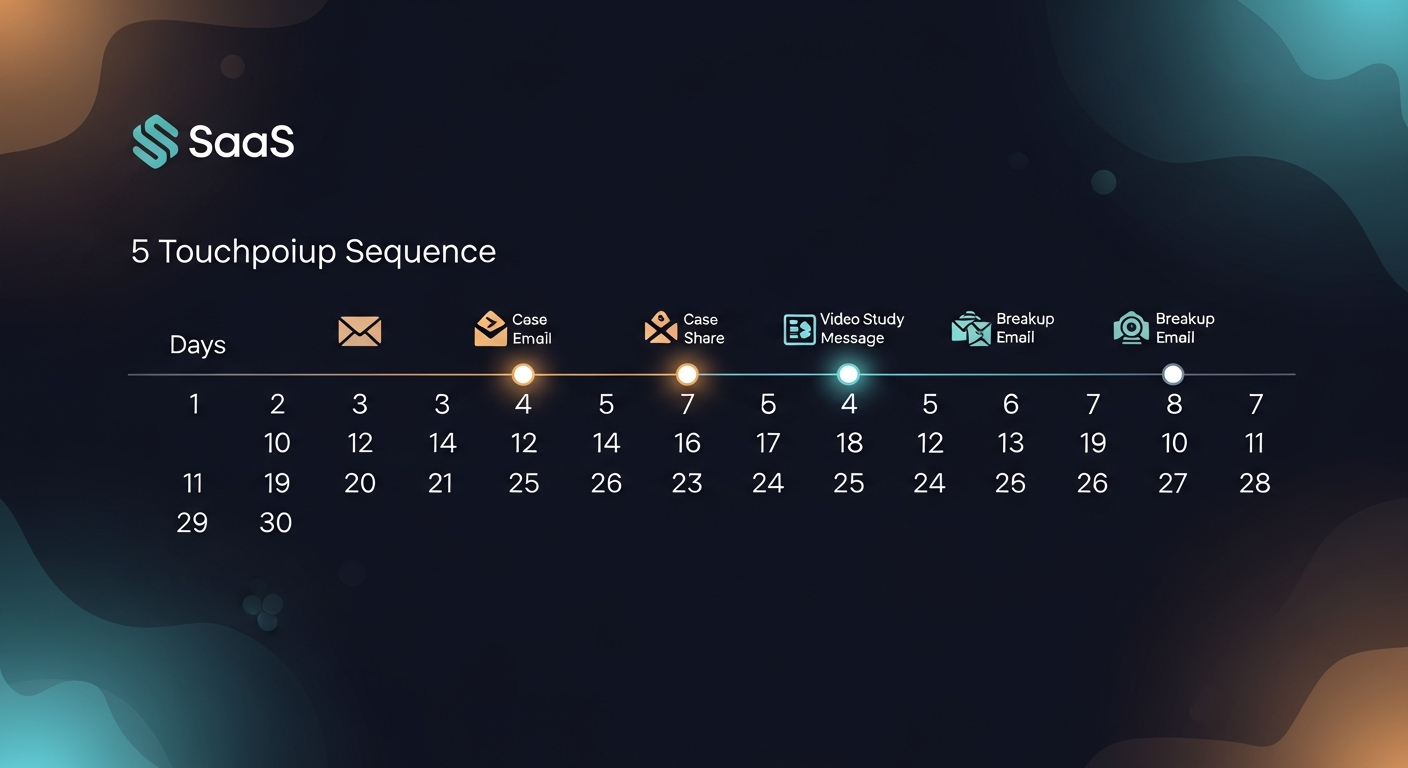
 \n\n## How Many Follow-Ups Should You Send?\n\nResearch from Saleshandy and HubSpot consistently shows that 80% of sales require at least 5 follow-up touchpoints — yet most reps give up after one or two. Here's a sequence framework that works without burning the relationship:\n\n- Day 1: Send your original email or post-meeting recap\n- Day 3-4: First follow-up — add a relevant insight or resource\n- Day 7-8: Second follow-up — reference a business trigger or mutual connection\n- Day 14: Third follow-up — try a different format (short video, voice note)\n- Day 21-30: The "breakup email" — give them an easy out while leaving the door open\n\nSpacing matters. Back-to-back daily follow-ups feel desperate. A well-timed sequence feels professional and persistent — two very different impressions.\n\n## Real-World Example: The Reactivated Deal\n\nHere's a scenario that plays out in sales teams every week:\n\nSarah, an AE at a SaaS company, had a strong discovery call with a VP of Operations in February. She sent a proposal. No response. She followed up twice in the first two weeks — standard nudges, nothing new. Still nothing.\n\nSix weeks later, she tried a different approach. She sent a short email referencing a supply chain report that had just been published, connected it directly to the pain point they'd discussed, and ended with: "Not sure if timing has shifted on your end — happy to pick back up whenever makes sense, or I can loop back in Q3."\n\nThe VP replied within two hours. His company had just gotten board approval for new tooling budget. Sarah closed the deal three weeks later.\n\nThe difference? She stopped sending reminders and started sending relevance.\n\n## The "Breakup Email" — Your Last Shot\n\nIf you've sent 4-5 follow-ups with no response, it's time for the breakup email. Done right, this isn't passive-aggressive — it's respectful and often surprisingly effective.\n\nA strong breakup email:\n\n- Acknowledges the silence without guilting them\n- Offers a final easy answer (yes or no)\n- Leaves the door open for the future\n- Is under 5 sentences\n\nExample:\n\n"Hey [Name] — I've reached out a few times but haven't heard back, so I'll assume the timing isn't right. I'll stop reaching out so I'm not clogging your inbox. If things change or [pain point] becomes a priority again, I'm always happy to reconnect. Wishing you a great Q2."\n\nThis email gets replies surprisingly often — because people feel safe responding to something that removes pressure rather than adds it.\n\n
 \n\n## How to Automate Follow-Ups Without Losing Personalization\n\nOne of the biggest barriers to consistent follow-up is time. Writing personalized emails for every cold or warm prospect is unsustainable at scale — which is why most reps either send lazy, generic nudges or give up entirely.\n\nThis is exactly the problem that tools like ReplySequence are built to solve. ReplySequence uses AI to generate post-meeting follow-up sequences that are personalized to the specific conversation, pain points, and goals discussed in your sales call — not just a templated "checking in" email. It analyzes meeting context and automatically drafts follow-ups with the right tone, timing, and value-add for each stage of your sequence.\n\nInstead of spending 20 minutes crafting a re-engagement email from scratch, your reps can review, adjust, and send in under two minutes — keeping the human touch while eliminating the manual bottleneck.\n\n## Common Mistakes to Avoid in a No-Reply Follow-Up\n\n- Guilt-tripping the prospect — "I've sent three emails and haven't heard back" signals frustration, not value\n- Repeating yourself — copy-pasting your original email is the fastest way to get marked as spam\n- Being too vague — "Just wanted to touch base" gives them nothing to respond to\n- Sending too frequently — daily follow-ups feel desperate, not persistent\n- Ignoring business triggers — a news mention, funding round, or leadership change is a gift. Use it.\n- Asking for too much — a 45-minute demo request in a re-engagement email sets the bar too high\n\n## Crafting Your Follow-Up Email After No Response: A Quick Checklist\n\nBefore you hit send on any follow-up email when you haven't heard back, run through this:\n\n- Does the subject line suggest new value, not just a reminder?\n- Does the opening re-establish context without referencing their silence?\n- Have I added something new — a resource, insight, or angle — that wasn't in my last email?\n- Is my CTA low-friction and easy to answer in one sentence?\n- Is the email under 150 words?\n- Am I respecting the appropriate time gap between touches?\n\nIf you can check all six boxes, you're sending a follow-up that stands a real chance of breaking through.\n\n—-\n\nWriting a follow-up email after no response doesn't have to feel awkward or desperate. The reps who consistently re-engage ghosted prospects are the ones who lead with value, respect the buyer's timeline, and stay persistent without being pushy. If you want to make this process faster and more consistent across your entire team, ReplySequence can help you build personalized, AI-powered follow-up sequences straight from your meeting notes — so no deal slips through the cracks. Start building smarter follow-up sequences at replysequence.com.",
"date": "2026-04-05",
"author": "Jimmy Hackett",
"tags": ["follow-up email no response", "no reply follow-up", "ghosted by prospect", "re-engagement email", "sales email tips"],
"readingTime": 8,
"faqs": [
{
"question": "What should you say in a follow-up email when you haven't heard back?",
"answer": "A strong follow-up email after no response should add new value — like a relevant case study, industry stat, or business trigger — rather than just repeating your original message. Keep it under 150 words and end with a low-friction CTA that makes it easy to reply yes or no."
},
{
"question": "How many follow-up emails should you send after no response?",
"answer": "Research shows 80% of sales require at least 5 follow-up touchpoints. A typical sequence spans 21-30 days, starting with a value-add follow-up on day 3-4 and ending with a respectful 'breakup email' around day 21-30 that gives the prospect an easy out."
},
{
"question": "Why do prospects stop responding after a meeting?",
"answer": "Prospects most commonly go silent because they got pulled into something urgent, are avoiding saying no, had their email buried, or need internal buy-in they haven't secured yet — not because they're uninterested."
},
{
"question": "What is a breakup email in sales?",
"answer": "A breakup email is a final follow-up sent after 4-5 unanswered touches. It acknowledges the silence without guilt, offers the prospect an easy yes-or-no answer, and leaves the door open for future contact — all in under 5 sentences."
},
{
"question": "What subject lines work best for a follow-up email with no response?",
"answer": "Effective subject lines for no-reply follow-ups avoid generic phrases like 'Just checking in' and instead signal new value — for example, 'Quick question about [their goal]' or 'Saw this and thought of [Company Name].' Subject lines under 40 characters also tend to perform better on mobile."
}
]
}
```
How ReplySequence handles this
ReplySequence connects to your Zoom, Teams, or Meet calls, reads the transcript, and drafts a context-rich follow-up email in about 8 seconds. You review it, make any edits, and send from your real inbox. Deal intelligence builds automatically.