 ReplySequence
7 Sales Sequence Templates for Every Stage of the Deal
```json
{
"title": "7 Sales Sequence Templates for Every Stage of the Deal",
"slug": "7-sales-sequence-templates-for-every-stage-of-the-deal",
"excerpt": "Seven proven sales sequence templates for every deal stage — from cold outreach to closed-won handoff. Stop writing from scratch every time.",
"content": "The best sales sequence templates aren't clever. They're consistent. Here are seven follow-up series frameworks — one for each critical stage of a deal — so you're never staring at a blank email again.\n\nI've been in over a thousand sales calls. The pattern that kills deals isn't a bad pitch. It's silence after a good one. These templates are the ones I keep coming back to, built from what actually moves deals forward.\n\n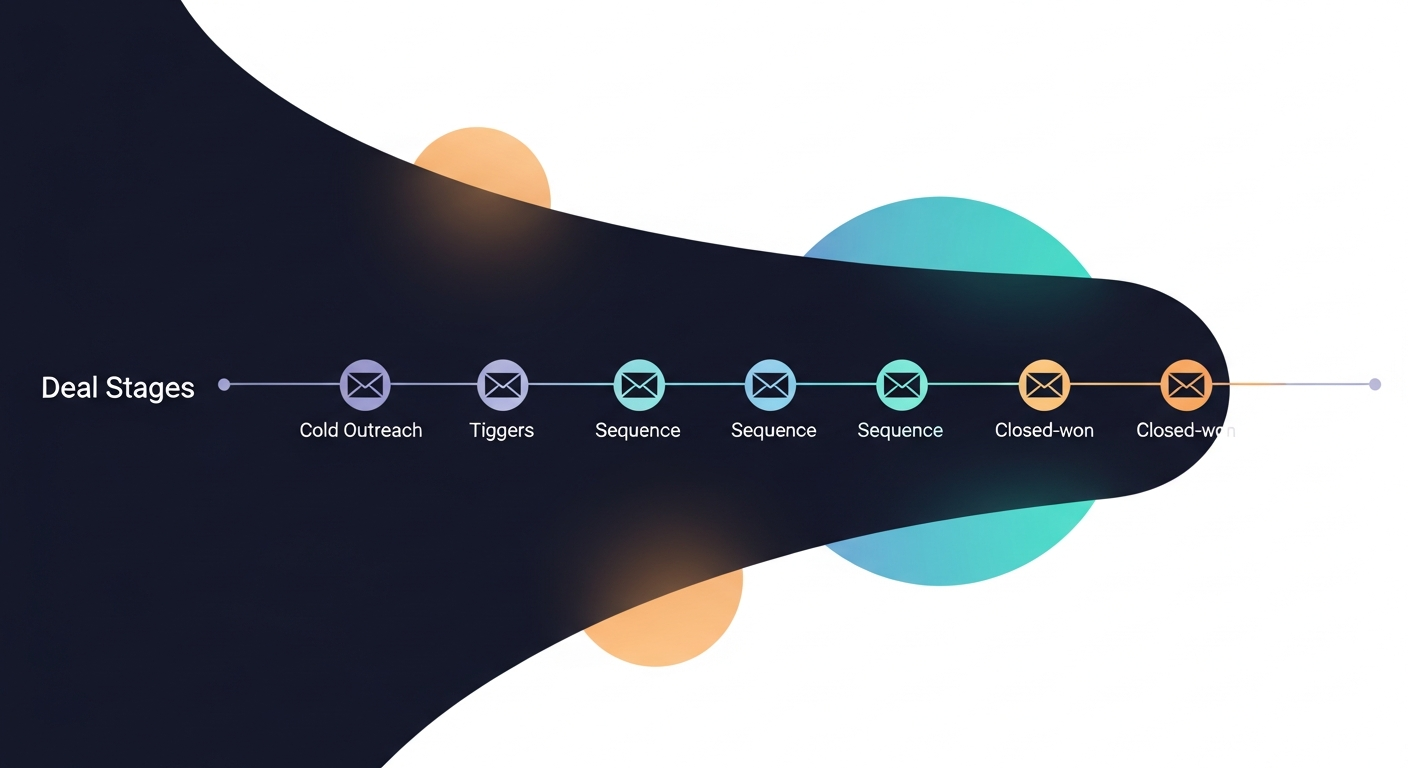 \n\n## Why Sales Sequence Templates Actually Matter\n\nMost reps know what to say in the meeting. Nobody's taught them what to send after it.\n\nResearch from Yesware shows it takes an average of 6 follow-up attempts to get a response — but 70% of salespeople give up after just one email. That gap is where deals go to die. Templates don't make you robotic. They make you consistent when you're juggling 40 active deals and your brain is fried at 4pm on a Thursday.\n\nThe other thing templates do: they force you to think about what the buyer needs at each stage, not just what you want to say. That shift alone closes more deals than any clever subject line.\n\n—-\n\n## Template 1: Cold Outreach Sequence\n\nGoal: Get a meeting. Nothing else.\n\nThis email sequence template is 4 touches over 14 days. Short. Specific. No fluff.\n\n- Day 1 — Email 1: One sentence on why them, one sentence on what you do, one ask. Under 75 words total.\n- Day 3 — Email 2: A relevant stat or case study from their industry. One line. Link or no link — your call.\n- Day 7 — Email 3: The "different angle" — lead with a problem they probably have, not your solution.\n- Day 14 — Email 4: The breakup email. "If this isn't a fit, totally get it — just let me know and I'll stop reaching out." Genuinely works.\n\nKey rule: Each email stands alone. If they only read one, it still makes sense.\n\n—-\n\n## Template 2: Post-Discovery Call Sequence\n\nGoal: Keep momentum after the first real conversation.\n\nThis is where most reps drop the ball. The call went great. Then nothing for three days. Then a generic "Just checking in" that kills the vibe entirely.\n\nThe follow-up series after discovery should go out within 60 minutes of the call ending. Not tomorrow. Not after lunch. That window is when the buyer is still warm.\n\n- Email 1 (same day, within 60 min): Recap the 3 pain points they mentioned verbatim. Not paraphrased — their words. Confirm next steps. One clear ask.\n- Email 2 (Day 3): Send one resource directly tied to their specific problem. Not your generic one-pager — a case study, a doc, a Loom. Something tailored.\n- Email 3 (Day 7): Light check-in. "Did the doc I sent answer your question about [specific thing]?" Shows you were listening.\n\nThis is the sequence I built ReplySequence around. Paste a transcript from Fireflies or Otter, and it pulls the exact pain points, action items, and follow-up asks automatically — so the 60-minute window is actually doable even when you have back-to-back calls.\n\n
 \n\n—-\n\n## Template 3: Post-Demo Sequence\n\nGoal: Convert interest into a decision conversation.\n\nThe demo went well. They asked good questions. Now what?\n\n- Email 1 (same day): Three bullets — what they saw, what it solves for them specifically, what the next step is. Clean. No novel.\n- Email 2 (Day 2): Address the objection that came up in the demo before they bring it up again. Shows confidence and saves a call.\n- Email 3 (Day 5): ROI framing. Not "our tool costs X" — "if you close one more deal per quarter because follow-ups go out faster, what does that number look like for you?" Make them do the math.\n- Email 4 (Day 10): Social proof from a similar company. One specific result. One sentence.\n\nThe stat that matters here: According to Salesforce, 79% of marketing leads never convert due to a lack of follow-up. Post-demo is the highest-leverage point in the funnel to not drop the ball.\n\n—-\n\n## Template 4: Stalled Deal Re-Engagement Sequence\n\nGoal: Revive a deal that went quiet.\n\nEvery pipeline has these. Deals that were hot six weeks ago and now just sit there, haunting you in Salesforce.\n\n- Email 1: Don't reference the silence. Lead with something new — a relevant article, a product update, a stat from their industry. Give them a reason to re-engage, not a guilt trip.\n- Email 2 (Day 5): Ask a genuine question about their situation. "Has the priority shifted?" is a better email than "Just circling back." It respects their reality.\n- Email 3 (Day 12): The honest email. "I want to make sure I'm not pestering you if the timing's off. Should I reach back out in Q3, or is this not the right fit right now?" \n\nThat last one gets responses. People respect directness.\n\n—-\n\n## Template 5: Multi-Stakeholder Sequence\n\nGoal: Keep multiple contacts warm without being weird about it.\n\nEnterprise deals involve 6-10 people on average, according to Gartner. Most reps only talk to one of them.\n\nThis sales cadence looks different because you're not sending the same email to everyone:\n\n- The Champion: Gets the full context emails — detailed, collaborative, treating them like a partner.\n- The Economic Buyer: Gets the ROI and risk emails. Short. Numbers-forward. No product detail.\n- The Technical Evaluator: Gets the integration and security emails. Specific. Link to docs.\n- The End User: Gets the workflow and ease-of-use emails. What changes for them on day one?\n\nOne deal, four different email sequence templates running in parallel. Map the stakeholder, then map the message.\n\n—-\n\n## Template 6: Post-Proposal Sequence\n\nGoal: Hold momentum after you've sent pricing.\n\nThe proposal is out. This is where anxiety makes reps either go quiet or over-follow-up. Neither works.\n\n- Email 1 (Day 2 after proposal): "Any initial reactions to the proposal?" Not "Did you read it?" Assumes they did. Lower pressure.\n- Email 2 (Day 5): Answer a question they haven't asked yet. Anticipate the objection — pricing structure, contract length, implementation timeline — and address it proactively.\n- Email 3 (Day 10): A one-line check-in with a real deadline. "We're finalizing Q2 onboarding slots — wanted to make sure you're in the loop before they fill up." Only say this if it's true.\n- Email 4 (Day 16): Back to the pain. "When we talked, you mentioned [specific pain]. That's still on the table if the timing works." Re-anchor to their problem, not your proposal.\n\n—-\n\n## Template 7: Closed-Won Handoff Sequence\n\nGoal: Start the relationship right and protect against churn before it starts.\n\nThis one gets skipped most. Once the contract is signed, reps disappear. That's a mistake — especially if you're selling into accounts where expansion is possible.\n\n- Email 1 (signing day): Warm, personal, brief. "Really glad we got here. Here's what the next 30 days look like and who you'll be working with."\n- Email 2 (Day 7, from AE to CS handoff): Formal intro with context. Not just a forward — a real summary of what the customer cares about, what they said on calls, what success looks like for them.\n- Email 3 (Day 30): Check-in from the AE, not CS. Shows you didn't just disappear after the commission. Builds the relationship for the upsell conversation six months later.\n\nWhy this matters: Bain & Company data shows a 5% increase in customer retention increases profits by 25-95%. The handoff sequence is retention work that starts before the customer even logs in.\n\n
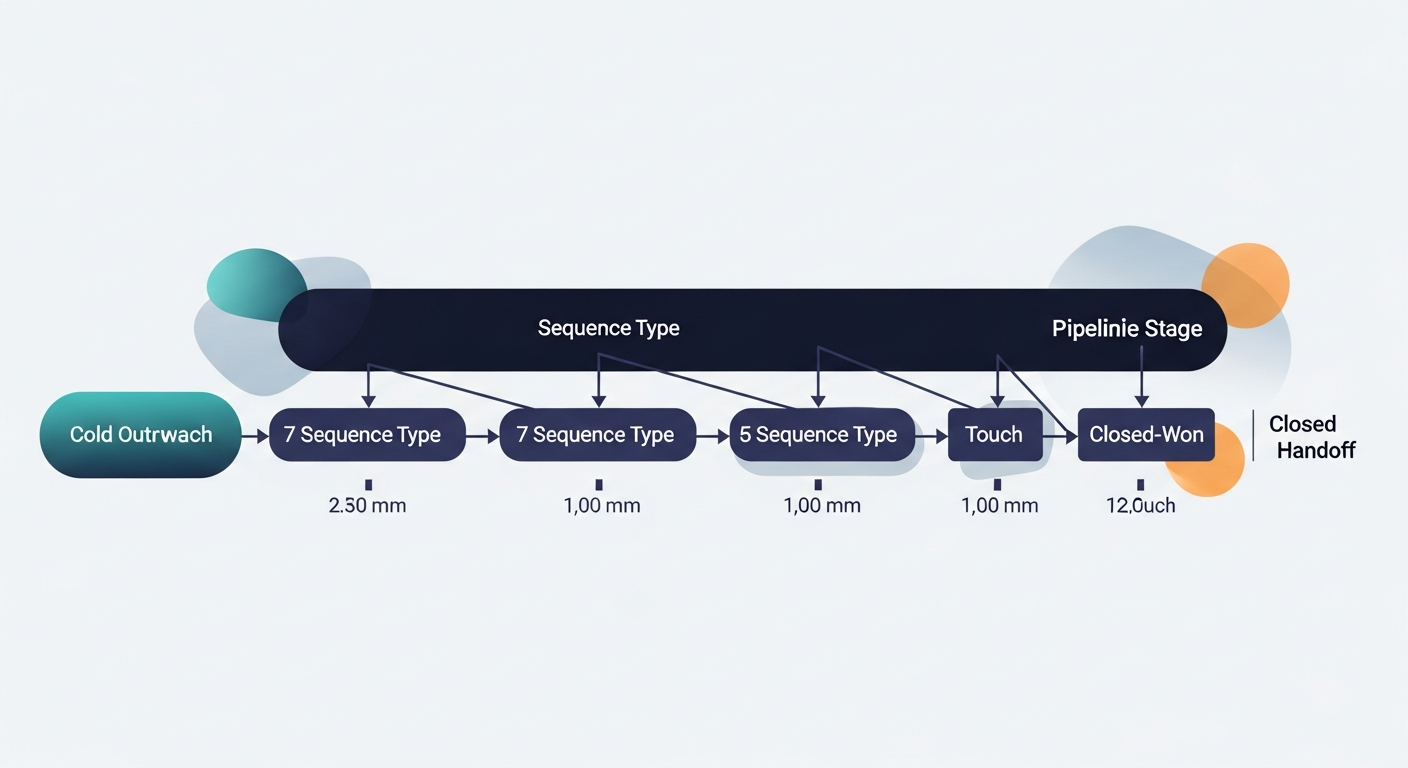 \n\n—-\n\n## The Real Problem With Sales Sequence Templates\n\nHere's the thing I kept running into with every template system I tried to build: the templates are great until you have to customize them for the actual meeting you just had.\n\nGeneric templates get generic results. The best follow-up email in the world is the one that uses the prospect's exact words from the call — their specific pain, their specific timeline, their specific objection. That's what makes someone feel heard instead of processed.\n\nThat's the problem I built ReplySequence to solve. After Fireflies or Otter transcribes the call, you paste the transcript, and RS turns it into a customized follow-up email that sounds like you wrote it while the call was still fresh — because it's pulling from exactly what was said. The template is the structure. The transcript is the soul.\n\nThe 60-minute follow-up window is real. The data on it is clear. But nobody hits it consistently when they're in back-to-back calls all day. That's the gap I kept watching deals die in.\n\n—-\n\n## Using These Templates Without Sounding Like a Robot\n\nA few rules that apply across all seven of these sales sequence templates:\n\n- Always reference something specific from the conversation. Vague follow-ups get ignored. Specific ones get responses.\n- One ask per email. Not three. One.\n- Match their cadence. If they're slow to respond, don't hammer them daily. Read the room.\n- Draft first, always. Never auto-send anything. You're the human in this loop. Stay that way.\n- Shorter is almost always better. If your follow-up email is longer than 150 words, cut it in half.\n\nThe best sales cadence examples out there aren't clever. They're human, specific, and consistent. That's it.\n\n—-\n\nIf you want to stop writing follow-ups from scratch after every call, try ReplySequence. Paste your transcript, get a draft in 60 seconds, send it before the prospect's already moved on. Start at replysequence.com.",
"date": "2026-04-12",
"author": "Jimmy Hackett",
"tags": ["sales sequence templates", "email sequence template", "sales cadence examples", "follow-up series", "sales productivity"],
"readingTime": 8,
"faqs": [
{
"question": "What are the most effective sales sequence templates for closing deals?",
"answer": "The most effective sales sequence templates are stage-specific: cold outreach (4 touches over 14 days), post-discovery (3 emails within 7 days), post-demo (4 emails over 10 days), stalled deal re-engagement (3 emails over 12 days), multi-stakeholder, post-proposal, and closed-won handoff. Each template should use the prospect's exact words and pain points to drive responses."
},
{
"question": "How quickly should you send a follow-up email after a sales call?",
"answer": "The follow-up email after a discovery or demo call should go out within 60 minutes of the call ending. That window is when the buyer is still warm and the conversation is fresh — waiting until the next day significantly reduces response rates and deal momentum."
},
{
"question": "How many emails should be in a sales sequence?",
"answer": "Most sales sequences should run 3-4 emails per stage. Research from Yesware shows it takes an average of 6 follow-up attempts to get a response, but 70% of salespeople give up after one — so consistency across 3-4 targeted touches per stage is the practical sweet spot."
},
{
"question": "What should a post-demo follow-up email sequence include?",
"answer": "A post-demo email sequence should include: a same-day recap of what they saw and what it solves, a proactive objection-handling email on Day 2, an ROI framing email on Day 5, and a social proof email with a specific result on Day 10. Each email should reference something specific from the demo."
},
{
"question": "How do you re-engage a stalled deal with email?",
"answer": "To re-engage a stalled deal, lead with something new and relevant — a stat, product update, or industry article — instead of referencing the silence. Follow with a genuine question about their current situation, then end with a direct honest email asking if the timing has shifted or if they'd prefer to reconnect later."
}
]
}
```
How ReplySequence handles this
ReplySequence connects to your Zoom, Teams, or Meet calls, reads the transcript, and drafts a context-rich follow-up email in about 8 seconds. You review it, make any edits, and send from your real inbox. Deal intelligence builds automatically.