 ReplySequence






How to Keep Multiple Deals Moving at Once Without Dropping the Ball
```json
{
"title": "How to Keep Multiple Deals Moving at Once Without Dropping the Ball",
"slug": "how-to-keep-multiple-deals-moving-at-once-without-dropping-the-ball",
"excerpt": "Managing multiple deals at once without things slipping? It comes down to system, not willpower. Here's how AEs actually keep pipelines moving.",
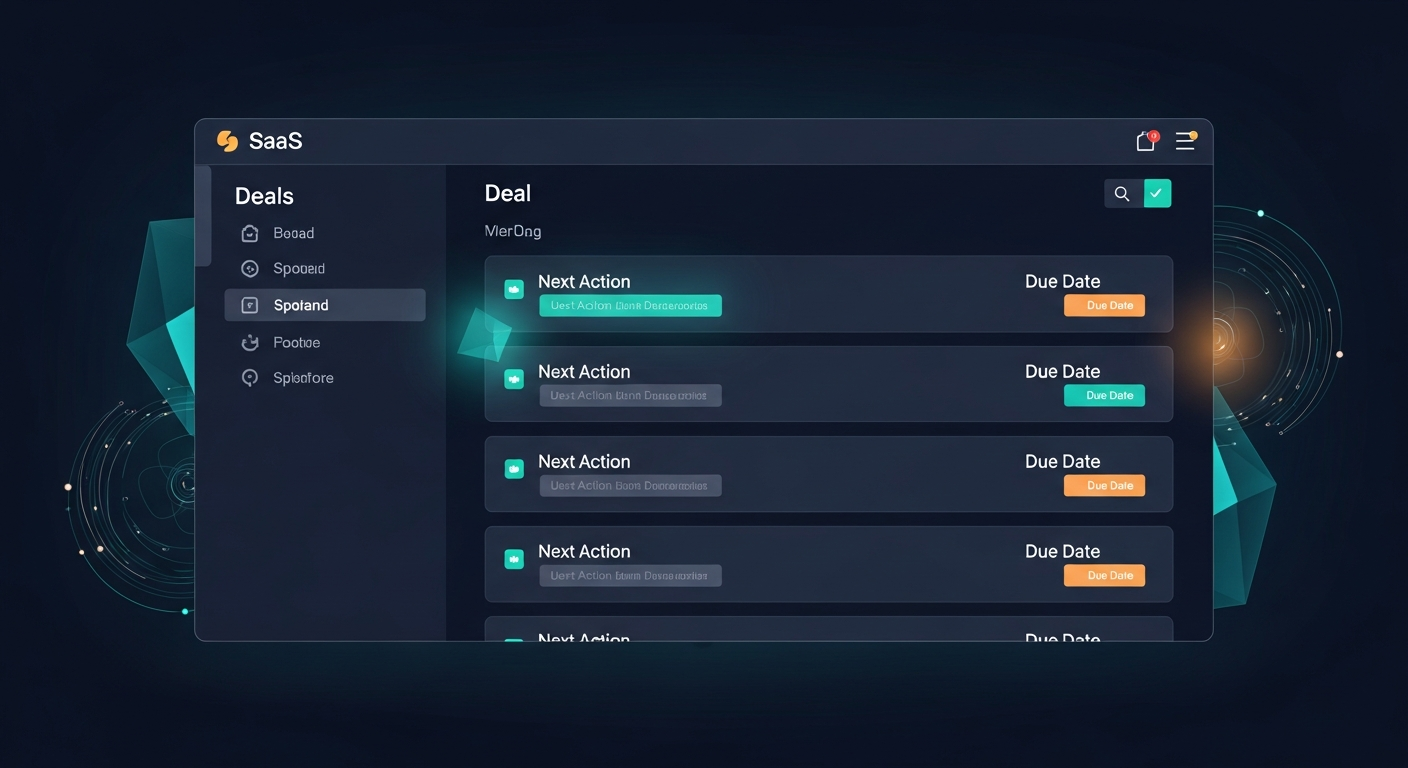
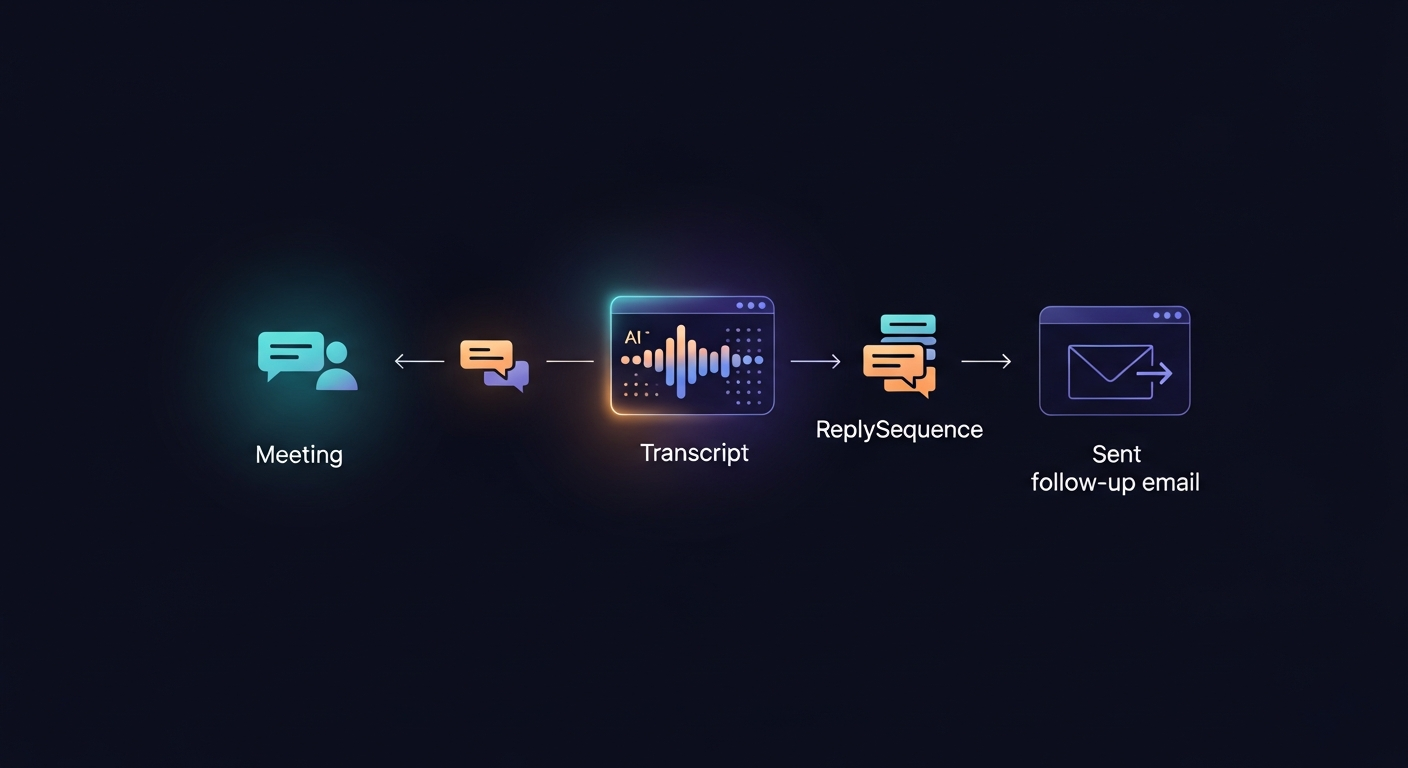
"content": "To manage multiple deals at once without dropping the ball, you need one thing: a repeatable system for what happens after every meeting. Not a better memory. Not more willpower. A system.\n\nMost AEs lose deals not in the meeting — they lose them in the 48 hours after. The call goes great, the prospect is warm, and then... nothing happens fast enough. They move on. You drop the thread. Deal goes cold.\n\nHere's how to keep five, ten, fifteen deals moving simultaneously without burning out or letting anything slip.\n\n—-\n\n## Why Sales Multitasking Breaks Down (It's Not What You Think)\n\nThe conventional wisdom is that AEs drop balls because they're disorganized or stretched too thin. That's not quite right.\n\nThe real problem is context-switching cost. Every time you jump between deals, you spend mental energy just remembering where things stand. What did they care about? What did you promise? What's the next step?\n\nResearch from the American Psychological Association found that switching between tasks can cost up to 40% of productive time. In sales, that tax compounds fast. You're not just switching between tasks — you're switching between 12 different human relationships, each with its own history, priorities, and pending commitments.\n\nThe reps who manage multiple deals successfully aren't multitasking better. They're eliminating the cost of context-switching by keeping clean, current records of exactly where each deal stands — and what happens next.\n\n \n\n—-\n\n## The Pipeline Management Framework That Actually Works\n\n### 1. Treat Every Meeting Like It Has a Deliverable\n\nEvery single meeting should end with one thing defined: the next step. Not vague — specific. Not \"I'll follow up\" — \"I'll send you the security questionnaire and a comparison doc by Thursday.\"\n\nIf you leave a meeting without a defined next step, you've already started dropping the ball. The prospect doesn't know what to expect. You don't know what to do first. The deal drifts.\n\nThis sounds obvious. Most reps still don't do it consistently.\n\n### 2. Get Your Follow-Up Out the Door in Under an Hour\n\nSpeed matters more than most people realize. A Harvard Business Review study found that reps who follow up within an hour are 7x more likely to have a meaningful conversation with a decision-maker. The same logic applies to follow-up emails post-meeting.\n\nWhen you're juggling deals, the temptation is to batch your follow-ups at the end of the day. Don't. By then you're tired, the details are fuzzy, and you're writing generic emails that don't reflect the actual conversation.\n\nThe goal: follow-up email sent while the meeting is still fresh. Within 60 minutes, ideally.\n\nThis is exactly why I built ReplySequence — I kept seeing this gap where reps had great transcripts sitting in Fireflies or Otter and were still writing follow-ups from scratch an hour later. Paste the transcript, get a ready-to-review draft in 60 seconds. You still read it, tweak it, send it. But the heavy lifting is done.\n\n### 3. Run a Two-Tier Priority System\n\nNot all deals deserve equal attention every day. Stop treating them like they do.\n\nSplit your pipeline into two buckets:\n\nActive this week:\n- Had a meeting in the last 7 days\n- Have a pending deliverable (proposal, demo, security review)\n- Decision timeline is within 30 days\n\nOn deck:\n- No recent touchpoint\n- Longer timeline\n- Waiting on their side\n\nActive-this-week deals get daily attention. On-deck deals get a scheduled touchpoint — weekly or biweekly depending on timeline. That's it. Stop refreshing deals that aren't ready to move.\n\n### 4. Use Your CRM for One Thing: What Happens Next\n\nMost reps use their CRM as a log of what happened. That's backwards.\n\nYour CRM should answer one question at a glance: what's the next action, and when? If you can't answer that for every active deal in 10 seconds, your pipeline management is broken.\n\nFor every deal, there should be exactly one next action logged with a due date. Not three. One. When that action is done, you log the next one.\n\nThis sounds simple. It is. Most people don't do it because logging takes time after meetings — time they don't have when they're already behind on follow-ups. Fix the follow-up speed problem first (see point 2), and the CRM logging gets easier.\n\n
 \n\n### 5. Build a Weekly Pipeline Review Into Your Schedule\n\n30 minutes, same time every week. No exceptions.\n\nThe agenda is dead simple:\n\n- Which active deals had no movement this week?\n- Which on-deck deals need a check-in?\n- What deliverables am I late on?\n- What's expiring (trial periods, pricing windows, budget cycles)?\n\nThis review is where you catch the balls before they hit the floor — not after. Most reps skip it when they're busy. That's exactly when you need it most.\n\n—-\n\n## Three Real Scenarios Where Deals Die (And How to Prevent It)\n\nScenario 1: The Warm Meeting That Goes Cold\n\nYou had a great discovery call. Real pain, real budget, real interest. You said you'd send a recap. You got pulled into other stuff. Three days pass. By the time you send the follow-up, the energy is gone.\n\nFix: Send the follow-up within an hour. Lock in the next meeting at the bottom of that email. Don't let the momentum dissipate.\n\nScenario 2: The Multi-Stakeholder Deal You Can't Track\n\nYou're talking to three people at the same company — champion, IT, finance. Each conversation has different context. You're terrified of sending the wrong thing to the wrong person.\n\nFix: One deal record in your CRM, but separate contact notes per stakeholder. After each meeting with each person, log their specific concerns and pending items. Treat it like three relationships inside one deal.\n\nScenario 3: The Deal You Forgot Was Active\n\nYou're in your weekly review and you see a deal you haven't touched in three weeks. You have no idea where it stands. You send a \"just checking in\" email that immediately signals you haven't been paying attention.\n\nFix: Weekly review catches this. So does a strict \"next action + due date\" rule in your CRM. If there's no next action logged, the deal is effectively dead until you fix that.\n\n—-\n\n## The Follow-Up Is the Leverage Point\n\nHere's something I've come to believe pretty strongly after building in this space: the follow-up email is the highest-leverage action in the sales process that almost nobody optimizes.\n\nThink about it. Every meeting generates a follow-up opportunity. Every follow-up either moves the deal or lets it drift. Across a pipeline of 10-15 active deals, you might have 30+ follow-up touchpoints per month. If each one is weak, late, or generic — that's 30 missed opportunities to advance.\n\nWhen I started building ReplySequence, the insight wasn't complicated: every recorder tool (Fireflies, Otter, Granola, Zoom AI) creates a transcript. Nobody built the last mile — turning that transcript into a sent follow-up email. That gap costs deals.\n\nTranscript in. Follow-up out. That's the whole idea.\n\n
 \n\n—-\n\n## What "Not Dropping the Ball" Actually Looks Like\n\nFor a rep managing 12 active deals, a clean week looks like this:\n\n- Every meeting gets a follow-up sent same day, with next step defined\n- CRM shows one next action per deal, all with dates\n- Friday review takes 25 minutes and surfaces two deals that need attention\n- Zero \"just checking in\" emails — every touchpoint has a reason\n- Nothing slips past 10 days without a deliberate decision to pause it\n\nThat's not superhuman. It's just a system applied consistently.\n\nThe reps who manage multiple deals successfully aren't the ones with the best memory or the most energy. They're the ones who've made follow-through automatic — at every stage, especially right after the meeting ends.\n\n—-\n\n## Start Here If You're Behind Right Now\n\nIf your pipeline feels out of control today, don't try to fix everything at once. Pick one:\n\n1. Send every follow-up the same day as the meeting — no exceptions for two weeks\n2. Log one next action per deal with a due date — clean up your CRM this week\n3. Block 30 minutes Friday for pipeline review — and actually do it\n\nAny one of these, done consistently, will materially change how well you manage multiple deals at once. All three together? Different rep.\n\nIf follow-up speed is the bottleneck — which it usually is — check out replysequence.com. Paste your transcript from Fireflies, Otter, or wherever you're working. Get a draft follow-up in 60 seconds. Read it, adjust it, send it. That's the loop.",
"date": "2026-04-15",
"author": "Jimmy Hackett",
"tags": ["pipeline management", "sales productivity", "follow-up emails", "sales multitasking", "AE tips"],
"readingTime": 8,
"faqs": [
{
"question": "How do you manage multiple deals at once without losing track?",
"answer": "The key is a repeatable system, not better memory. Log one next action with a due date per deal in your CRM, send follow-ups within an hour of every meeting, and run a 30-minute weekly pipeline review to catch anything slipping."
},
{
"question": "How quickly should you send a follow-up email after a sales meeting?",
"answer": "Within an hour of the meeting ending. A Harvard Business Review study found reps who follow up within an hour are 7x more likely to reach a decision-maker. The sooner you send, the more momentum you preserve."
},
{
"question": "What's the biggest reason sales reps drop deals when juggling a full pipeline?",
"answer": "Context-switching cost. Jumping between deals burns time just remembering where each one stands. Reps who keep clean, current next-action records eliminate that tax and stay consistently on top of every deal."
},
{
"question": "How should AEs prioritize which deals to focus on each day?",
"answer": "Split your pipeline into two buckets: active this week (recent meeting, pending deliverable, or 30-day close timeline) and on deck (longer timeline, waiting on their side). Active deals get daily attention; on-deck deals get scheduled touchpoints weekly or biweekly."
},
{
"question": "What should every sales meeting end with?",
"answer": "A defined next step — specific, not vague. Not 'I'll follow up' but 'I'll send the proposal by Thursday.' Leaving a meeting without a clear next step is where most deals start to drift."
}
]
}
```
How ReplySequence handles this
ReplySequence takes any meeting transcript — paste it in from Zoom, Teams, Meet, WebEx, Fireflies, Granola, or wherever — and drafts a context-rich follow-up email in about 8 seconds. You review it, make any edits, and approve. Deal intelligence builds automatically.